

Yes, a business with a tax lien can sometimes get funded, but the path is narrower. Traditional bank and SBA loans are the hardest to land while the lien is active. Revenue-based products are more realistic, especially with a current payment plan. Your best odds come from fixing or reshaping the lien first, then applying with the right product and clean paperwork.
This guide explains what a lien does to your borrowing power, which options tend to stay open, and the specific steps (payment, withdrawal, subordination) that can change a lender's answer.
TL;DR
- A tax lien is the government's legal claim on your business property for unpaid tax. It tells other lenders the government is ahead of them in line.
- Conventional bank and SBA financing is the hardest to get with an active lien. Revenue-based funding is more flexible, particularly when you have a formal, current payment plan.
- Paying in full gets a federal lien released. A lien withdrawal removes the public notice. Subordination can let a new lender take priority on specific collateral.
- Federal and state liens work differently, so confirm which one you have and who to call before you apply.
- Pre-qualifying with a marketplace that does not touch your credit is a low-risk way to see what offers exist.
Table of Contents
- What a tax lien actually does to your business
- Federal vs. state tax liens
- Can you get a business loan with a tax lien?
- What lenders look at when a lien is on file
- How to clear or soften a federal tax lien
- A practical order of operations
- How we can help
- Our perspective
- FAQ
- Sources
What a tax lien actually does to your business
A federal tax lien is the government's legal claim against your property when you owe tax and have not paid. According to the IRS, it arises after the agency assesses the debt, sends a bill, and you neglect or refuse to pay on time. It attaches to business property, including accounts receivable, and it alerts creditors that the government has priority.
That last point is what matters for borrowing. A lender needs a clear claim on collateral if the loan goes bad. When the IRS already holds first position on the same assets, a new lender may not be able to secure what it needs to underwrite the loan. Most underwriting problems with liens trace back to this priority issue, not to a moral judgment about the debt.
A lien also does not stop at what you own today. Under the IRS description, it can reach assets you acquire after it is filed, which is why lenders look at it so carefully.
If you want to understand how lenders think about claims on your assets more broadly, our explainer on blanket liens versus specific liens and the guide to UCC filings on a business loan cover the other half of the picture.

Federal vs. state tax liens
Both types are claims for unpaid tax, but the rules, forms and contacts differ.
| Federal tax lien | State tax lien | |
|---|---|---|
| Who files it | The IRS | A state tax agency |
| Typical debts | Federal payroll, income and other federal taxes | State sales tax, income tax and similar state taxes |
| Where to resolve it | IRS, or the revenue officer on your case | The state department of revenue or comptroller |
| Release or withdrawal rules | Set by federal law and IRS procedures | Set by each state, and they vary |
The practical point: do not assume a federal fix works on a state lien, or the reverse. Pull your lien notice, note the agency and the filing office, and start there. A lender's underwriter will ask for exactly that paperwork. Check your state revenue agency's website for its own release and subordination process, since those rules are state specific.
Can you get a business loan with a tax lien?
Possibly, depending on the product. Here is how the main categories tend to behave.
Bank term loans and lines of credit
These are the toughest. Banks want first position on collateral and a clean public record, and an unresolved lien interferes with both. Reports on this topic describe conventional bank financing as essentially off the table until you take specific steps with the taxing authority. A lender may require the IRS to subordinate its lien on specific collateral before it will proceed.
SBA loans
SBA lenders are conservative about federal debt. A practical rule from tax professionals: SBA loan proceeds may not be used to pay off delinquent taxes, except in very limited circumstances. So you generally cannot borrow your way out of the lien with an SBA loan. Resolving the debt first, or being on a documented payment arrangement, is the stronger position. Read our guide on SBA loan credit scores to see what else those lenders weigh.
Revenue-based and cash-flow funding
These funders underwrite mostly on sales and bank deposits, so they can be more flexible. Industry commentary says a formal, current payment plan, such as an IRS installment agreement with a few months of on-time payments, can change how they view you. They also tend to look at the lien's size compared with revenue, how old it is, and whether the balance is shrinking or growing. Pricing for these products is usually higher than for bank loans, so compare the total cost before you sign. Our breakdown of how revenue-based financing works and what it costs shows how to do that.
Equipment financing
Equipment loans are secured by the machine or vehicle being bought, which can make them easier to place. The IRS Taxpayer Advocate Service explains that subordination is not needed for a qualifying purchase money security interest, when the newly purchased property secures the loan and the purchase price equals the loan amount. That is a meaningful carve-out for a business that needs a specific asset and has a lien on everything else.
What lenders look at when a lien is on file
Expect underwriters to ask the same handful of questions:
- How big is the lien compared with your revenue? A lien that is a small slice of annual sales reads very differently from one that rivals them.
- How old is it, and which way is the balance moving? A shrinking balance shows control. A growing one signals trouble.
- Is there a plan? An installment agreement with a record of on-time payments is the single most persuasive document you can show.
- Is the rest of the file clean? Current bank statements, consistent deposits and organized financials make a lien easier to live with. Our checklist of business loan requirements and the list of documents that prevent underwriting delays will help you assemble that.
- What collateral is left? Check which assets are already pledged. The guide to business loan collateral shows what small businesses can offer.
How to clear or soften a federal tax lien
There are three tools. They do different things, so know which one you need.
Pay in full: release
Paying the debt in full is the cleanest route. The IRS says it releases the lien within 30 days after the debt is fully paid. Ask for the release document and keep a copy for your lender file.
Withdrawal: remove the public notice
A withdrawal takes the public Notice of Federal Tax Lien off the record. The IRS lists certain conditions, such as setting up a qualifying direct-debit installment agreement. A withdrawal removes the public notice but does not erase the tax you owe. That distinction matters: a lender will still see a liability, but the filing that triggers automated lien searches is gone. Confirm current eligibility rules on the IRS page before you count on it.
Subordination: let a new lender go first
Subordination is a formal request that lets a specific lender move ahead of the IRS on specific collateral. The IRS explains how to apply in Publication 784: you complete Form 14134 and mail it with the required attachments, and the agency asks you to submit at least 45 days before the transaction date. Build that lead time into your closing plan.
Subordination is often what turns a flat no into a workable deal. It works best when the new loan will increase the value of the collateral or when the IRS stands to collect more as a result. For background on how title and lien searches shape these deals, see how title companies check for liens on property.

A tax professional or tax attorney can handle the application and negotiate with the revenue officer. For state liens, contact the state revenue agency listed on your notice.
A practical order of operations
- Get your facts. Pull the lien notice and your IRS or state account transcript. Know the amount, the filing date and the agency.
- Talk to the agency. Ask about full payment, an installment agreement, withdrawal and subordination. Write down who you spoke with and what they said.
- Start a payment plan if you cannot pay in full. Several months of on-time payments give a funder something concrete to read.
- Match the product to your situation. Need a specific machine? Equipment financing may avoid the priority fight. Need short-term cash against sales? Look at revenue-based options. Planning a large purchase that needs a bank or SBA lender? Resolve the lien first. A capital raising checklist can help you organize the supporting materials for any of these.
- Pre-qualify before you apply. A soft-pull pre-qualification lets you see real options without a hard inquiry. Our guide on increasing approval odds lists quick wins.
If you cannot produce full tax returns because of an ongoing filing issue, see which documents lenders accept instead. Note that a lender may still ask for proof of your tax standing.
How we can help
If you want to see what is realistic before you spend weeks on paperwork, we make that step simple. Formosity Funding is a marketplace connecting small and medium-sized businesses with a nationwide network of lenders. Pre-qualification is designed to have no impact on your credit, and you can see real loan and credit offers across working capital, business lines of credit, SBA loans, equipment financing and commercial real estate. A dedicated funding specialist can guide you through the process.
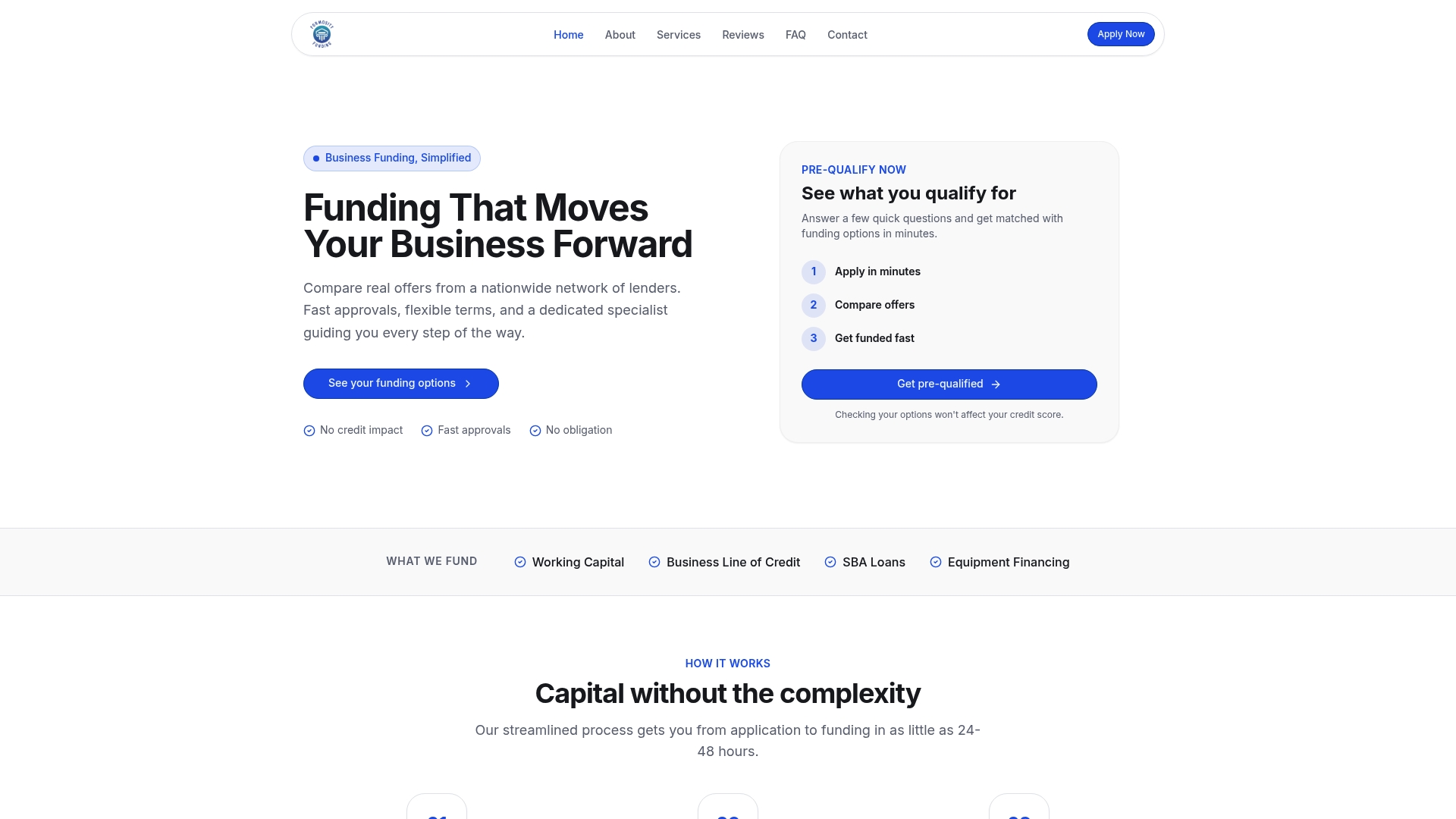
See which products fit your business on our funding options page, or start from formosityfunding.com. If a payment plan is part of your story, tell your specialist up front so the right lenders see your file first.
Our perspective
Most owners with a lien assume the answer is no before anyone has looked at the file. In our experience that is the costliest mistake, because the answer depends on the product, the lender and the paperwork you bring.
We built Formosity Funding around a simple idea: one application, many lenders. A lien changes which lenders are a fit, and a broad network is what lets us look for the ones whose appetite matches your situation instead of sending you to a single bank that will decline.
Our advice is to treat the lien as a project with a timeline. Get the facts, open a conversation with the tax agency, and line up funding that matches where you stand today. Pre-qualification without a credit impact means you can learn what is on the table while you work on the lien, and a funding specialist can help you sequence the steps so one does not block the next.
Alvin
FAQ
Will a tax lien automatically disqualify me from a business loan?
Not automatically, but it limits your options. Banks and SBA lenders are the most cautious, because the government's priority claim can block their collateral position. Revenue-based and other cash-flow lenders may still consider you, especially with a current payment plan.
What is the fastest way to remove a federal tax lien?
Paying the full balance is the most direct route, and the IRS says it releases the lien within 30 days of full payment. If you cannot pay in full, ask about a payment plan and whether you qualify for a withdrawal of the public notice.
What is lien subordination and when do I need it?
Subordination lets a new lender take priority over the IRS on specific collateral. You may need it when a lender requires first position and your assets are already covered by the lien. It is not required for a qualifying purchase money security interest, where the new property secures the loan and the price equals the loan amount.
Can I use an SBA loan to pay off my tax debt?
Generally no. Tax professionals note that SBA proceeds may not be used to pay delinquent taxes except in very limited circumstances. Ask the SBA lender about your situation before applying, and talk with a tax advisor about the best way to settle the debt.
Does pre-qualifying for funding hurt my credit?
Our pre-qualification is designed to have no credit impact, so you can review offers before deciding whether to move forward. A full application with a lender may involve a hard inquiry later, and your specialist can explain when that happens.
Sources
- Understanding a federal tax lien, IRS
- Lien Subordination, Taxpayer Advocate Service
- Publication 784, How to Apply for a Certificate of Subordination of Federal Tax Lien, IRS
- Best Practices: Dealing with Federal Tax Liens, Starfield & Smith
- Can You Get a Business Loan With a Tax Lien?, LegalClarity
- Can you get business funding with a tax lien or a judgment?
- Why Title Companies Check for Liens on Property
- Capital Raising Checklist for Founders